
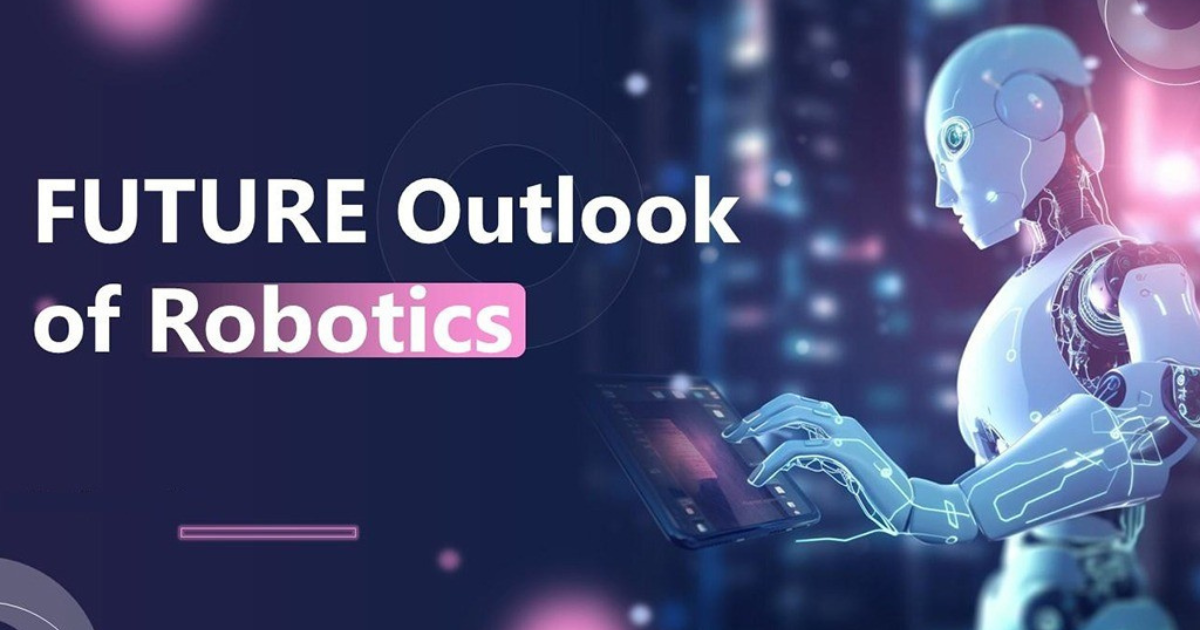
Robotics has already revolutionized industries from manufacturing to healthcare, but the next decade promises even more dramatic advancements. As artificial intelligence, automation, and sensor technologies evolve, robots are becoming smarter, more adaptable, and more human-like in their interactions. The future of robotics will reshape work, transportation, healthcare, homes, and even entertainment. Here’s a detailed look at what lies ahead.
1. Smarter and More Autonomous Robots
The next generation of robots will not just follow commands—they will learn, adapt, and make decisions independently. With advancements in AI and machine learning, robots are gaining the ability to interpret complex environments, predict outcomes, and solve problems in real time. Whether it’s navigating crowded streets or assisting elderly individuals at home, robots will operate with greater autonomy and intelligence. These improvements will make robotic systems more reliable across various industries.
2. Human-Robot Collaboration (Cobots)
One of the most important trends shaping the future of robotics is collaborative robots, or cobots. Unlike traditional robots used in manufacturing, cobots are designed to work side-by-side with humans, enhancing productivity and safety. They can perform repetitive, dangerous, or physically demanding tasks while humans handle more creative and strategic work. As more businesses adopt automation, cobots will become common in factories, warehouses, offices, and even hospitals. Their ability to adapt to human movement and respond to voice commands will make them essential teammates on the job.
3. Robotics in Healthcare and Medicine
Robotics is set to transform healthcare more than ever before. We are entering an era where surgical robots will perform procedures with unmatched precision, reducing recovery times and improving patient outcomes. In addition to surgery, robots will support elderly care, rehabilitation, and hospital logistics. Companion robots will provide emotional support, assist with mobility, and help individuals living alone. With aging populations in many countries, healthcare robotics will become critical for maintaining high-quality care.
4. Autonomous Vehicles and Delivery Robots
Self-driving cars and delivery robots are key areas where robotics will continue to advance. Autonomous vehicles will reshape transportation, offering safer roads and more efficient travel. Delivery robots—whether on sidewalks, streets, or in the air as drones—will transform logistics and e-commerce. These systems will reduce delivery times, lower costs, and limit human involvement in repetitive tasks. Over the next decade, we can expect cities to adapt their infrastructure to support robotic transportation.
5. Robotics in Everyday Life
As robots become more affordable and user-friendly, they will increasingly enter our homes. Home robots will go beyond simple vacuum bots to include multifunctional assistants capable of cleaning, cooking, monitoring security, managing schedules, and providing companionship. Personalized robots powered by AI will learn users’ behaviors and preferences, offering an unprecedented level of convenience and comfort. Smart homes and robotics will seamlessly integrate to automate daily routines.
6. Robotics in Education and Workplaces
Educational institutions are quickly adopting robotics to teach programming, engineering, and problem-solving skills. Future classrooms may include interactive robotic tutors that personalize learning. In workplaces, robots will streamline operations, manage data, automate administrative tasks, and improve efficiency across departments. While some fear robots may replace jobs, they are more likely to create new opportunities by taking over routine tasks and allowing humans to focus on creative and critical activities.
7. Ethical and Safety Considerations
With rapid advancements come important ethical questions. How much autonomy should robots have? How do we ensure safety in public spaces? What happens to jobs as automation increases? These discussions will shape regulations and standards that govern the use of robotics. Transparency, accountability, and safe design practices will be essential in building public trust as robots become more integrated into society.
Conclusion
The future of robotics is incredibly promising, bringing smarter machines, deeper human-robot collaboration, and greater integration into everyday life. From healthcare and autonomous vehicles to home assistance and industrial automation, robotics will drive innovation across every sector. As technology continues to evolve, robots will not replace humans—but will work alongside us to create a more efficient, safe, and connected world. For individuals, businesses, and governments, understanding the potential of robotics will be crucial in preparing for a rapidly automated future.